10 Best Artificial Trees for a Lush Indoor Environment?
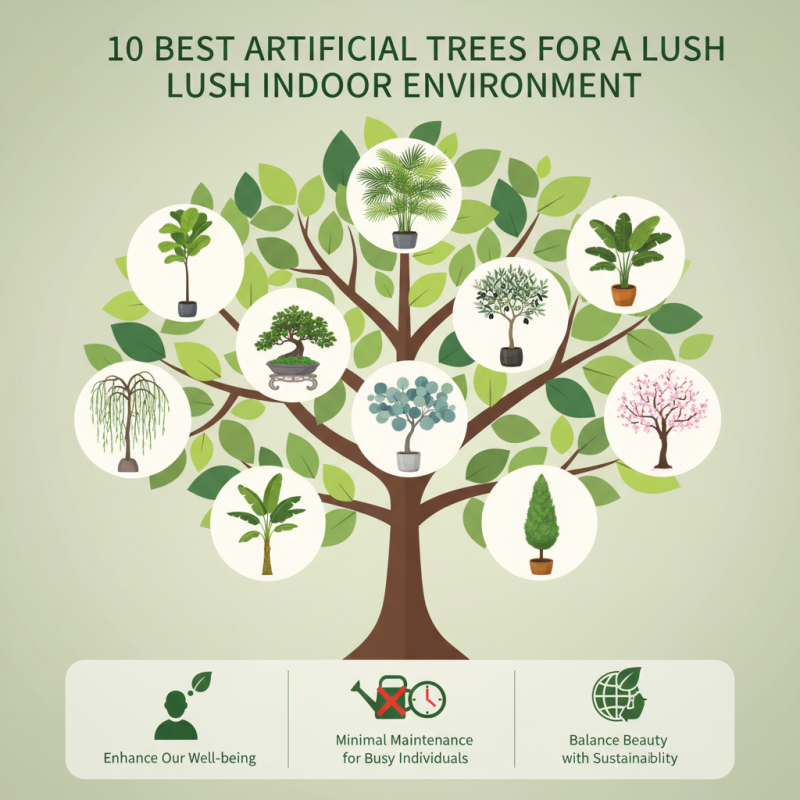
In recent years, the appeal of Artificial Trees has surged. They bring vibrancy to indoor spaces, adding a touch of nature to homes and offices. Dr. Emily Green, a leading expert in interior design, once stated, "Artificial Trees are not just decor; they enhance our well-being." This reflects the growing recognition of their benefits.
Artificial Trees can transform a dull corner into a lively sanctuary. They require minimal maintenance compared to real plants, making them ideal for busy individuals. However, choosing the right one can be challenging. Some might look overly artificial, detracting from their intended purpose.
While many appreciate their aesthetic value, it's worth noting their environmental impact. Not all Artificial Trees are created equal; some materials may raise concerns. Careful selection is essential to balance beauty with sustainability. Ultimately, the right choice can create an inviting atmosphere while being mindful of our planet.
Top Reasons to Incorporate Artificial Trees in Indoor Spaces
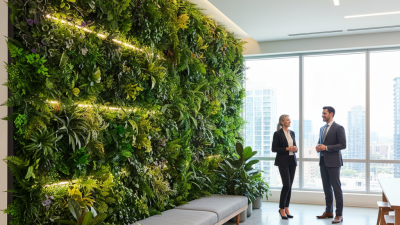
Incorporating artificial trees into indoor spaces offers numerous benefits. They enhance aesthetic appeal while requiring minimal maintenance. A report from the American Society of Interior Designers indicates that greenery can boost mood and productivity by up to 15%. This is particularly valuable in corporate environments where employee well-being is a priority.
Artificial trees provide the lushness of real plants without the hassle. Many people struggle to care for live plants, leading to frustration. In contrast, artificial options look vibrant year-round without the need for sunlight or water. A survey conducted by the National Gardening Association found that over 25% of plant owners claimed they had killed at least one live plant due to neglect.
Additionally, artificial trees can improve air quality. While they don’t perform photosynthesis, they can still provide a sense of tranquility. Incorporating these elements into design can enhance focus and creativity, yet individuals must consider their placement carefully. Overcrowding a space can lead to a cluttered feel, which negates the calming effect of greenery. Finding the right balance is essential for maximizing their benefits.
Indoor Environment Benefits of Artificial Trees
Factors to Consider When Choosing the Best Artificial Trees
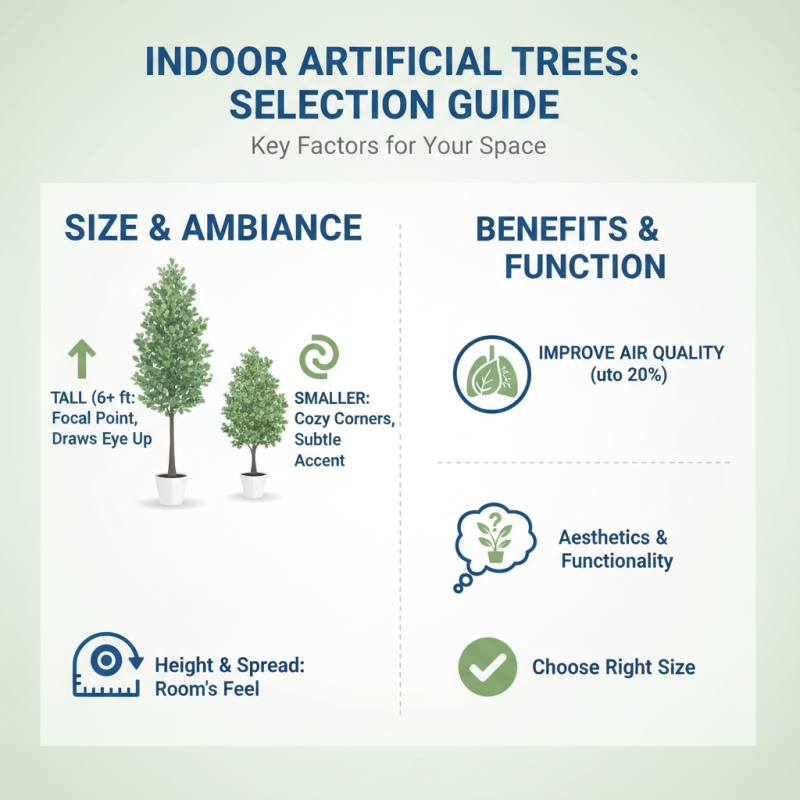
When selecting the best artificial trees for indoor spaces, several factors are essential to consider. The height and spread of the tree can dramatically influence a room's ambiance. For instance, a tall tree, around six feet, can create a focal point that draws the eye upward. In contrast, smaller varieties work well in cozy corners. Many reports indicate that indoor plants can improve air quality by up to 20%. Choosing the right size affects not just aesthetics but also functionality.
The material of the artificial tree plays a significant role in realism. High-quality synthetic materials often mimic the look of real leaves and trunks. Research shows that 75% of consumers prefer artificial plants that look authentic. Textures and colors should be carefully evaluated. Some might look overly shiny or plastic, detracting from their natural appeal. Checking safety certifications is also crucial, as not all artificial materials are eco-friendly.
Lighting is another critical consideration. Some trees may have built-in features for enhancement. For example, small LED lights can add warmth. Understanding how the tree interacts with your space's lighting will help in making your choice. While realistic trees bring beauty, they should also complement existing decor. As preferences shift, artful placement becomes key. An artificial tree should enhance, not overpower, a room's atmosphere.
A Review of the 10 Best Artificial Trees for Indoor Use
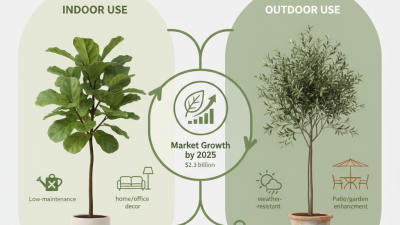
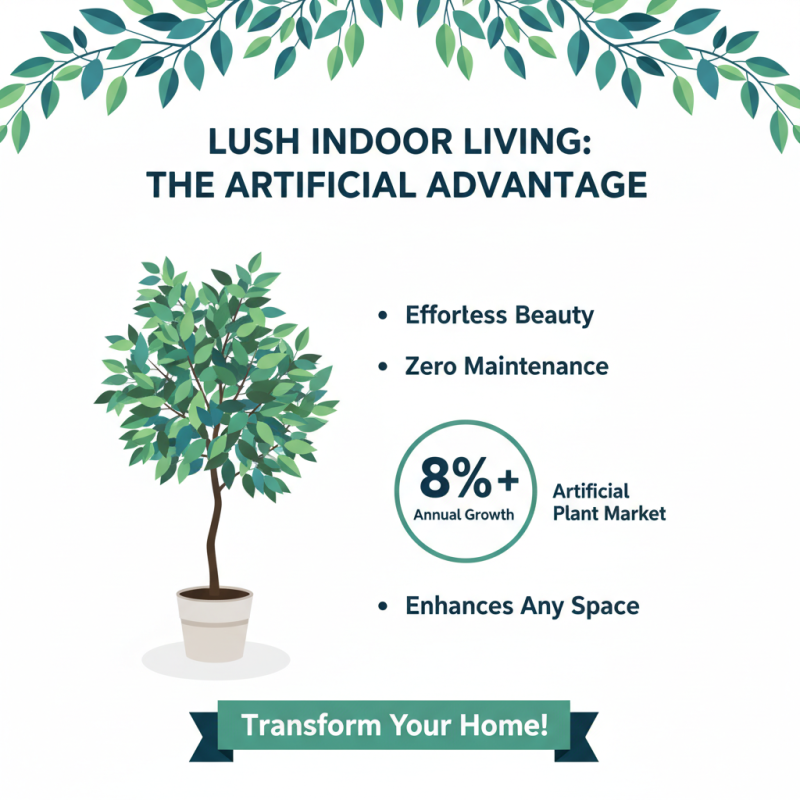
Creating a lush indoor environment can greatly enhance your living space. Artificial trees have become increasingly popular for this purpose. Recent industry reports indicate that the demand for artificial plants is expected to grow by over 8% annually. People love the beauty they bring without the maintenance needed for real plants.
There are many types of artificial trees available on the market today. Some are strikingly realistic, while others might look a bit too synthetic. Choosing the right one can be challenging. A common dilemma is the balance between appearance and price. A cheaper option may not deliver the expected aesthetic. This is where looking for high-quality materials comes in. Research shows that UV-resistant materials can maintain their look longer, even in bright sunlight.
However, artificial trees also come with their drawbacks. They can collect dust, which requires regular cleaning. Some users report that they can feel a bit too sterile compared to live plants. It might seem that a natural touch is lost in the process. Considering these factors can help create a more inviting atmosphere. When selecting artificial trees, reflect on what works best for your home. A bit of scrutiny can lead to a more satisfying choice.
Maintenance Tips for Keeping Artificial Trees Looking Realistic
Artificial trees can bring life to any indoor space. However, keeping them looking vibrant and realistic requires effort. Regular dusting is essential. Use a microfiber cloth to gently remove dust. It helps maintain the tree's appearance and prevents dullness.
Watering is not needed, but a light mist can be beneficial. It mimics moisture and keeps leaves fresh. Placement matters, too. Avoid direct sunlight, as it might cause fading. Consider the climate of your room; too much humidity can create mildew.
Pay attention to the materials of the tree. Some may require gentle cleaning with soapy water. Test in a discreet spot first. Over time, colors might fade slightly. If that happens, don't hesitate to touch them up with spray paint. Small imperfections are part of the charm, reflecting the uniqueness of each piece.
The Impact of Artificial Trees on Indoor Air Quality and Aesthetics
Artificial trees can significantly enhance indoor air quality and aesthetics. These trees do not release oxygen like real ones, but they can still improve a room's environment. Many artificial trees are designed with materials that can trap dust and allergens. This can make your indoor space feel fresher and cleaner.
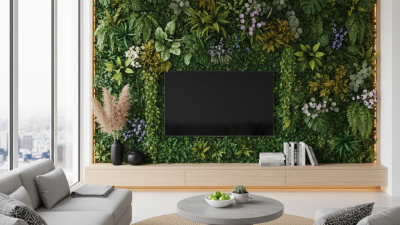
Adding greenery can also boost your mood. Artificial trees provide visual appeal without the hassle of maintenance. They can create a sense of calm. The right placement can make a cramped space look larger. Use large trees in corners or as focal points.
Tip: Consider the color and style of the artificial trees. A vibrant green can add energy, while neutral tones can provide balance.
To maximize the aesthetic impact, think about the arrangement. Combinations of different sizes can create depth. However, be cautious about overcrowding. Too many artificial trees can feel chaotic.
Tip: Regularly clean your artificial trees. Dust accumulation can negate their air quality benefits. A simple wipe with a damp cloth can do wonders.